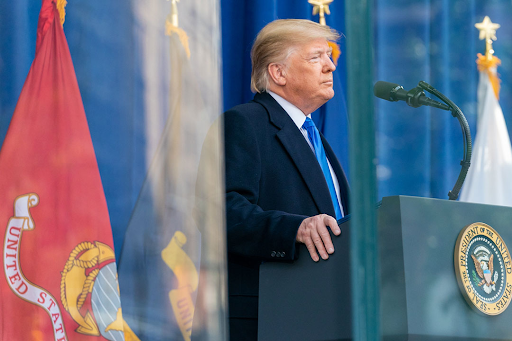
The Trump administration pressed forward with Ukraine peace negotiations while the president maintained conditional terms for his personal involvement. Trump announced he would meet with Putin and Zelensky only after diplomatic discussions produce a near-final agreement.
Senior American officials received assignments to conduct fresh talks in both Moscow and Kyiv, reflecting continued high-level engagement despite international skepticism. Trump characterized recent negotiations as productive, pointing to refinements made to an initial proposal that generated controversy.
The original 28-point American peace plan drew intense criticism from Ukrainian and European officials who objected to provisions they viewed as excessively favorable to Russian interests. Subsequent negotiating sessions have produced a revised framework, though fundamental disagreements persist.
Ukrainian intelligence chief Kyrylo Budanov participated in Abu Dhabi discussions, indicating Kyiv’s continued engagement despite reservations about specific terms. Ukrainian officials emphasized that resolving territorial questions at the heart of any settlement would require direct Trump-Zelensky discussions.
The enduring challenge remains bridging the gap between Russian objectives seeking political influence over Ukraine and Ukrainian goals centered on sovereignty and territorial integrity. Former diplomatic officials note that without Trump’s direct mediation, achieving necessary compromises from both sides proves exceptionally difficult.
Peace Framework Refinement Continues as Trump Holds on Summit Commitments