
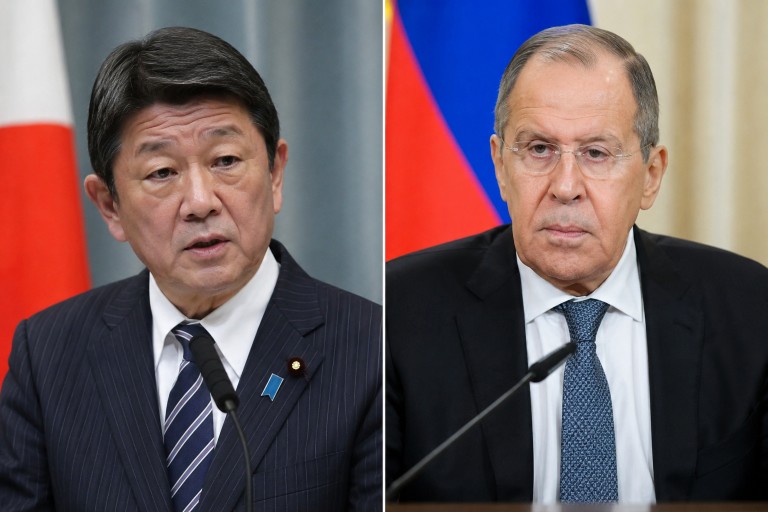
Japan’s decision to maintain diplomatic channels with Russia has sparked concerns among several European nations ahead of the upcoming G7 summit, revealing a divergence in approaches to engaging with Moscow amidst the ongoing conflict in Ukraine. The discussions have highlighted a potential rift over the Western strategy of isolating Russia through sanctions and political pressure.
Diplomatic sources indicate that some European countries are uneasy about Japan’s recent interactions with Russian officials. In late May, representatives from Japan’s foreign and trade ministries, along with major business organizations, traveled to Russia for meetings with officials responsible for economic development and industry. The focus of these discussions was on economic matters and the interests of Japanese companies operating within Russia.
Japanese officials have defended these engagements, arguing that maintaining communication is crucial even during tense times. The Japanese government has stated that the meetings were aimed at safeguarding the assets and operations of Japanese businesses still active in the Russian market. This approach has sparked a debate within Japan on how to balance support for international sanctions against Russia while protecting national economic and energy interests.
Despite these interactions, Japan continues to back Ukraine and align itself with G7 sanctions policies. Recently, Tokyo announced additional financial support for efforts aiding Ukraine, reinforcing its commitment to the broader Western stance. Japanese leaders have emphasized that no high-level political meetings with Russian officials are currently planned.
As the G7 summit approaches, Prime Minister Sanae Takaichi is expected to reassure Japan’s support for Ukraine and address European partners’ concerns over Tokyo’s engagement with Moscow. The situation will be closely monitored, as G7 leaders strive to present a united front on Russia while balancing their national economic and security interests.